
Rethinking Legacy for Modern Impact
Legacy brands carry rich history, built trust, and deep emotional connections. Yet in a fast-moving marketplace—where consumers value relevance, clarity, and aesthetics—heritage can become a burden rather than an advantage. Today, successful legacy brands resist the temptation to overcompensate with flashy rebrands. Instead, they embrace a “less is more” mindset: refining what already resonates, streamlining visual elements, and boosting digital agility. Whether you’re a century-old manufacturer, a traditional retailer, or a regional institution, smart simplification can preserve your essence while fueling relevance and growth.

1. The Case for Subtraction: Why Simplification Outperforms Reinvention
Introducing big changes is risky—but studies show radical overhauls often alienate loyal audiences. Contrast with subtle refinements:
- Stanley, established in 1913, embraced TikTok-driven interest with minimal visual tweaks—repositioning itself toward female audiences and modern lifestyles rather than erasing its legacy.
- Researchers find that leading legacy brands thrive by preserving core messages and product quality, rather than chasing every trend.
A light touch can maintain brand equity while making the brand feel modern, approachable, and still dependable.
2. Foundations First: What “Modernization” Really Means
Modernizing isn’t just changing the logo—it’s about aligning your identity, systems, and experience with contemporary expectations:
- Purpose refinement: Clarify what you stand for by rooting it in your history and modern mission.
- Visual and verbal refinement: Harmonize logo simplification, typography, and tone to reflect contemporary clarity.
- Operational evolution: Integrate streamlined digital tools—mobile sites, CRM modernization, rapid prototyping—even in low-key ways.
Look beyond visible design: reducing clutter behind the scenes often accelerates execution and consistency.
3. Principles of “Less is More” Redesigns
Simplification isn’t minimalism for its own sake—it’s about strategic reduction using these guiding principles:
- Heritage amplification: Lean into meaningful legacy elements—founding date, original tagline—while retiring outdated extras.
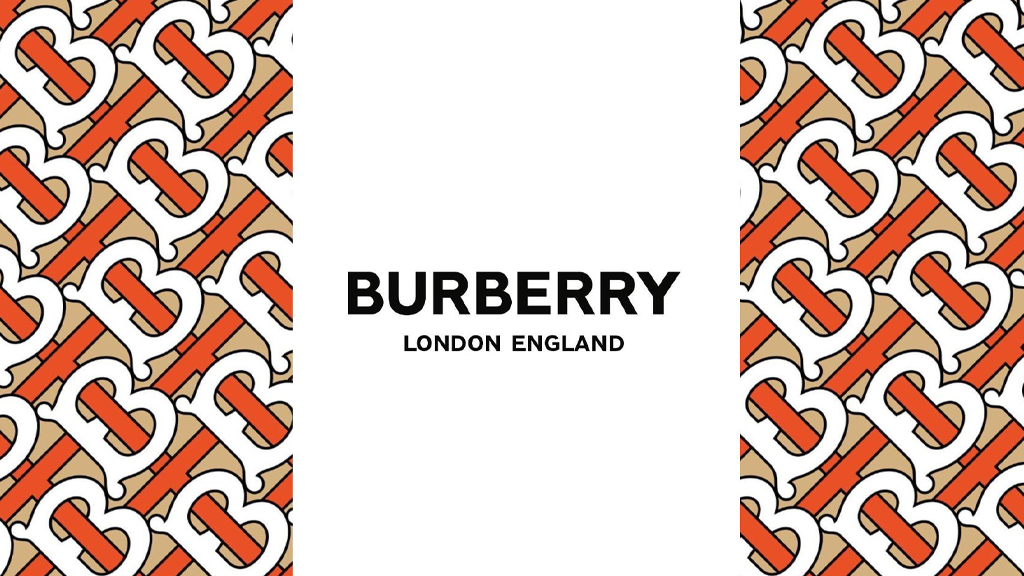
- Visual modernity with continuity: For example, Burberry’s monogram refresh retained brand DNA while updating for cleaner digital future.
- Platform-first refinement: Prioritize mobile brand assets first—icon, spacing, readability—then adapt for other channels.
- Selective addition: Introduce modern assets like dynamic color gradients or subtle motion, but only where they serve clarity.
Each tweak should build on what the brand already does well, not distract from it.
4. The Psychology: Why Humans Prefer Refined Familiarity
Consumers crave familiarity with freshness. Studies show people respond more positively to simplified, visually consistent brand systems over complex redesigns.
Psychologically, a moderate refresh feels safer, more trustworthy—especially in legacy domains like healthcare, finance, or even consumer goods. It reassures long-time supporters while offering enough novelty for new audiences.

5. The Digital Engine: Modernization Beyond Look and Feel
Brand modernization must run deeper than visuals:
- Rapid prototyping: Tools like Make the Dot (used by legacy apparel brands) cut development cycles from six weeks to six days by enabling fast iteration on prints and styles.
- Cloud-native flexibility: Just as systems modernization moves backend architecture to the cloud, brand modernization migrates brand assets—logos, templates, visuals—into flexible, update-ready frameworks.
- Digital heritage activation: Use your brand’s past—archives, founder stories, packaging origins—to deepen connection online without relying on visual complexity.
True modernization is both cultural and procedural, not solely aesthetic.
6. Case Studies: Legacy Brands Doing It Well
Stanley: Harnessed TikTok virality by embracing its core (durability, outdoors) but pivoting tone, imagery, and positioning to attract new audiences—especially women—without abandoning heritage.
Gap x Make the Dot: Legacy casual-wear brand partnered with creative collective to refine product lines via rapid prototyping. By reducing visuals to essentials and iterating smartly, they achieved a 90% sellout in three days.
Burberry & Airbnb rebrand: Notable brand overhauls that exemplify continuity: Burberry retained its iconic check and monogram while modernizing its visual systems; Airbnb evolved its logo to a symbol of belonging, not leaving behind its essence.
7. Pitfalls to Avoid
- Overcorrection syndrome: Flipping brand ethos or visuals entirely risks alienating heritage audiences.
- Cosmetic facade: Designing without updating brand systems (templates, usage rules, training) creates inconsistency and brand fatigue.
- Strategic ambiguity: If your refresh lacks strategic intent—new markets, purpose repositioning—it won’t resonate.
Legacy brands don’t need flashy transformations—they need thoughtful refinement. By simplifying visuals, clarifying purpose, and modernizing systems, legacy brands can remain relevant without betraying their heritage. In today’s age, less is not less—it’s precisely the right amount. Let your brand’s timeless strengths shine through modern expression, and your story—both past and future—will resonate deeper than any full-scale overhaul ever could.
Based on insights from industry research and experience modernizing legacy brands, this guide reflects The Brand Clarity Formula™: simplifying heritage, modernizing meaningfully, and aligning every element—visual, digital, and emotional—for sustainable brand impact.
Need support auditing your brand’s asset base or designing a modernization roadmap? We’re ready.
About SB Digital and Design
SB Digital and Design is a branding and digital strategy agency helping family-run, legacy, and founder-led businesses embrace growth without losing their soul. We specialize in generational branding, marketing systems, digital transformation, and creative campaigns that amplify what makes your business unique.
Whether you’re passing the torch to the next generation, repositioning your brand for a new market, or just ready to modernize your message — we’re here to help you write the next chapter of your legacy.